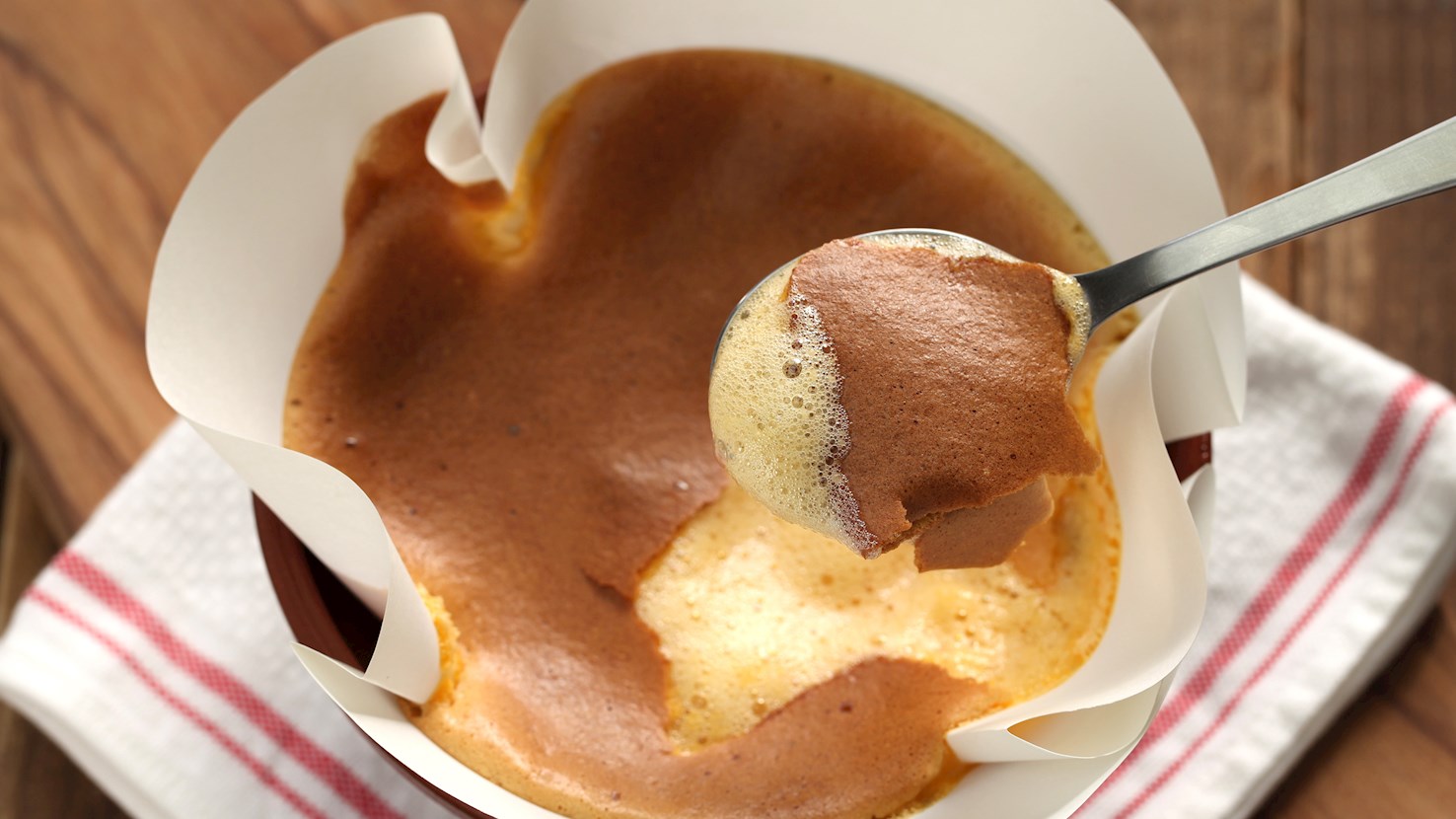
Pão de Ló de Ovar may be the most famous Portuguese cake, dating back to the 18th century when it was made in convents by nuns. The earliest written evidence about this sponge cake dates back to 1781, in a book called Irmandade dos Passos, where it is said that pão de Ló de Ovar was a sweet offered to the priests who took the wooden framework to carry the statues in the Holy Week procession. This creamy sponge cake is traditionally made from eggs, sugar, and flour, and today, it is often seen at most food fairs in Portugal. The cake is popular throughout the country, not just in the municipality of Ovar, where it is traditionally produced.
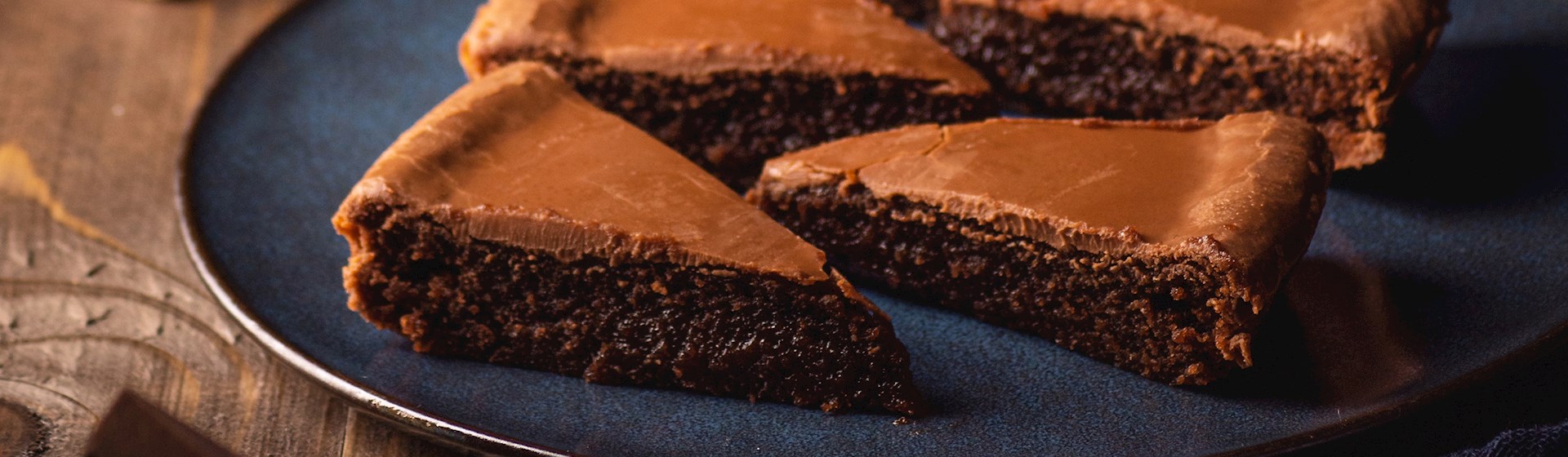
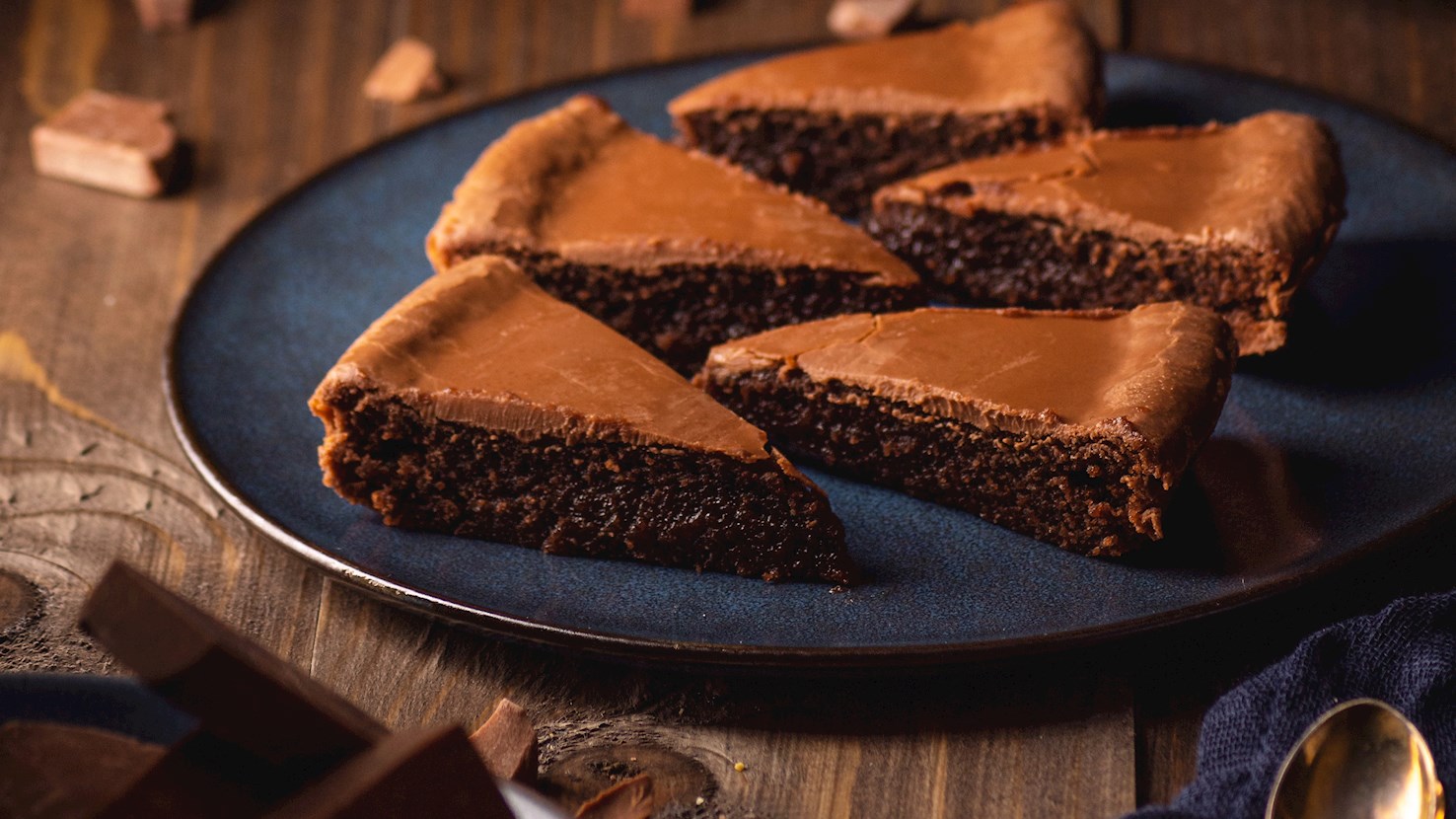
One of the most popular Swedish desserts is a rich chocolate cake known as kladdkaka. This classic Swedish creation combines eggs, cocoa (or chocolate), butter, sugar, and flour into a dense and luscious dessert. During baking, the cake should always remain moist in the center, while the outer layer is transformed into a thin, crunchy coating. Since the cake is incredibly dense, and typically heavy on the bitter chocolate or cocoa, it is usually dusted with a delicate layer of powdered sugar, and traditionally served with a dollop of ice cream or whipped cream on the side. It is one the most beloved Swedish desserts, typically enjoyed during fika, a traditional Swedish coffee break.
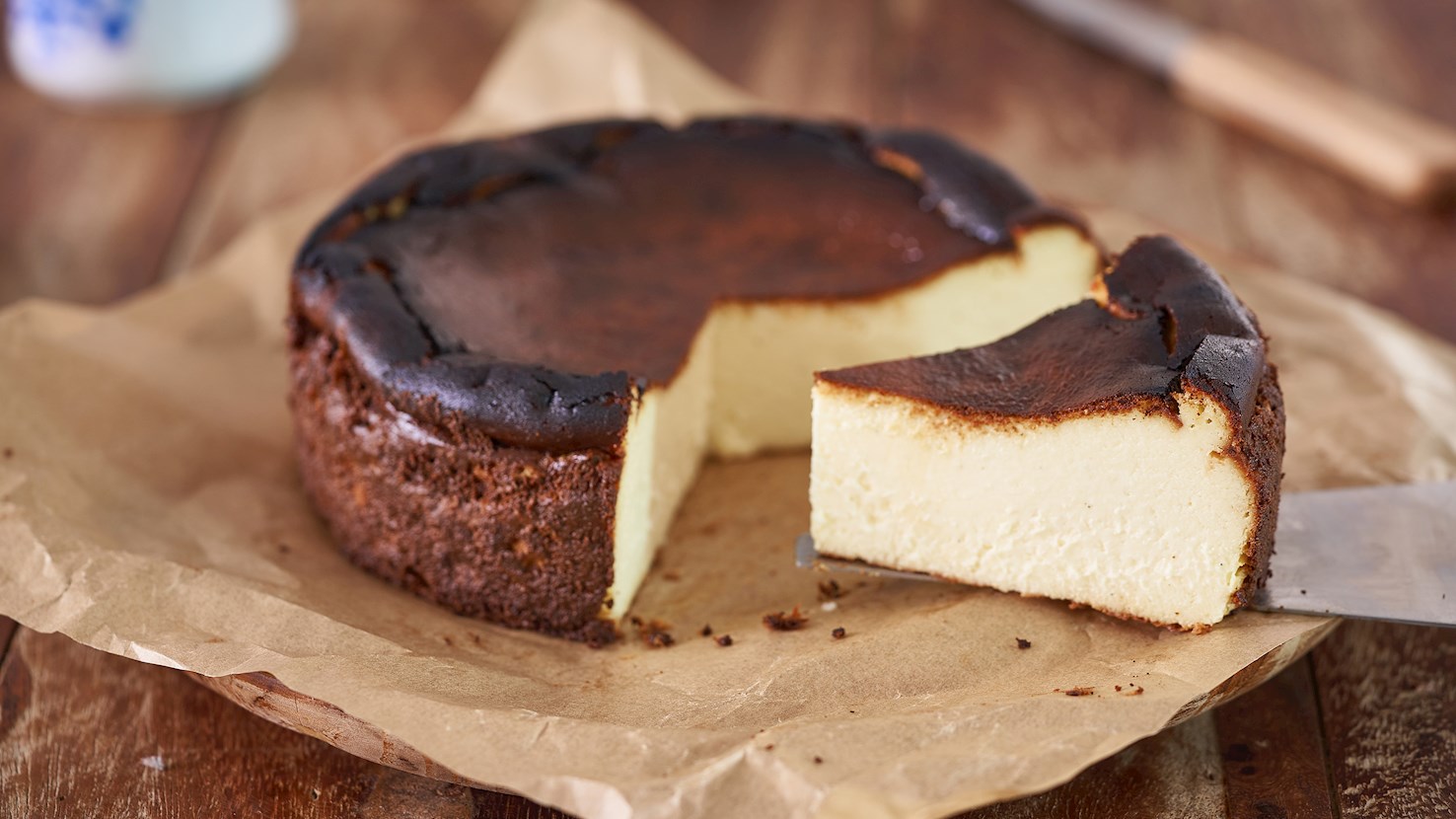
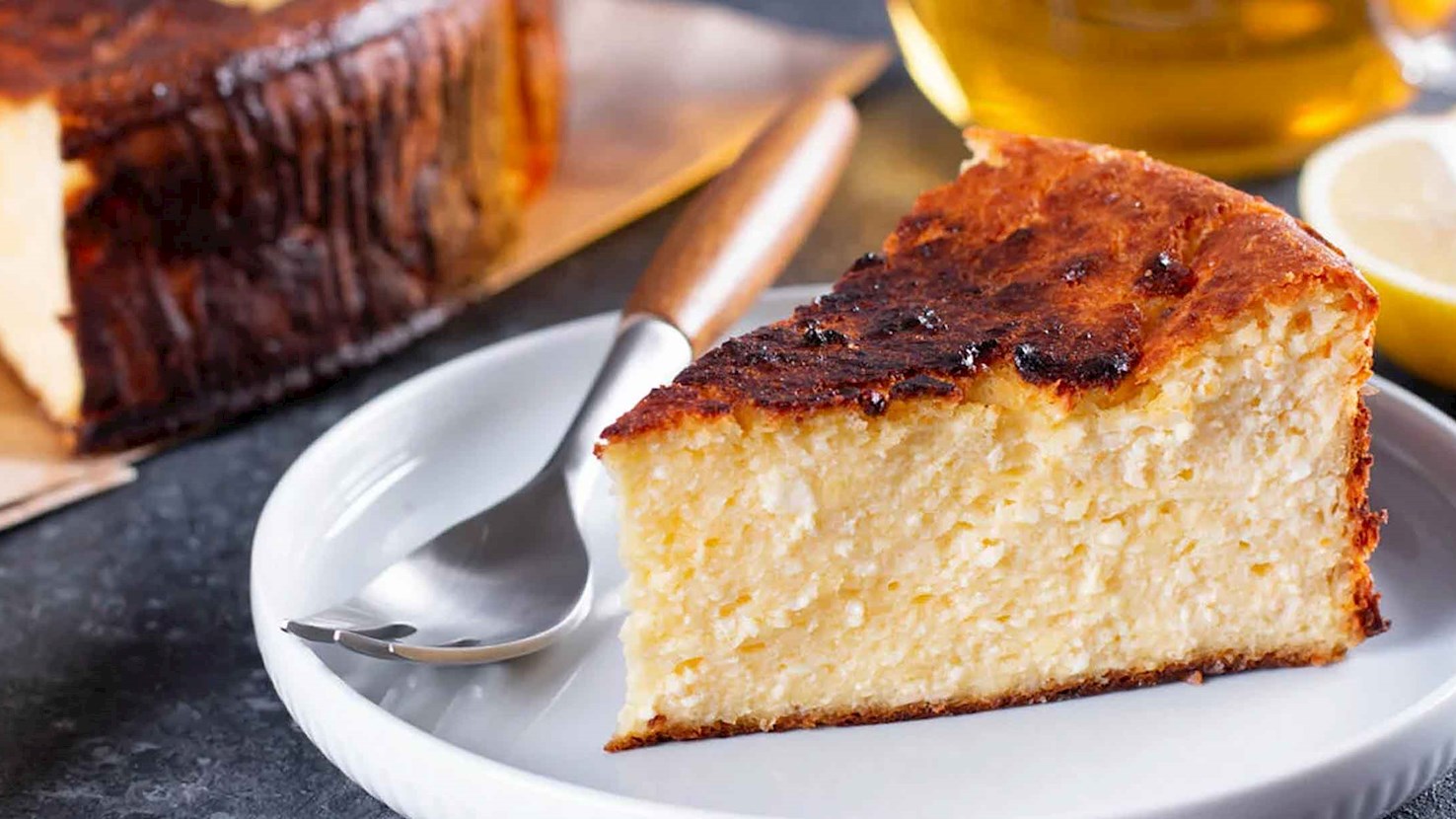
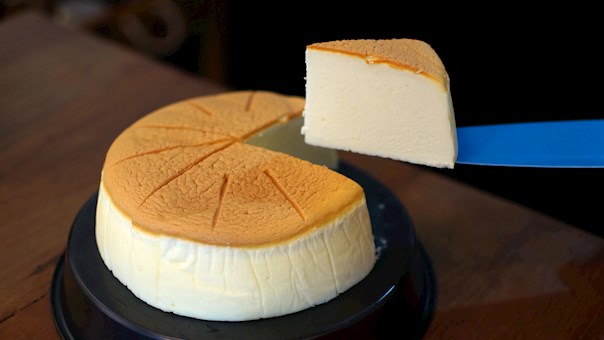
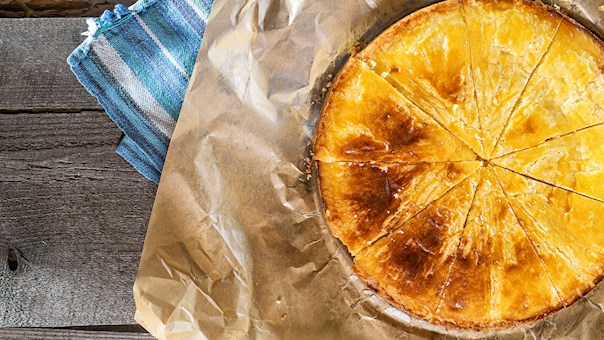
Known simply as tarta de queso or gazta tarta in its native Basque, this simple yet incredibly creamy cheesecake variation is a decades-old local specialty of the La Viña Bar in San Sebastián. The recipe is a simple combination of classic cheesecake ingredients such as sugar, heavy cream, eggs, and cream cheese, but unlike its more popular counterparts, this Basque version does not have any crust. Instead, it is baked on a high temperature which leaves the outside firm, darker, and somewhat burnt, while the center remains gooey. Basque cheesecake is immensely popular, and while La Viña remains its place of origin, different variations are nowadays found in several patisseries around the world.
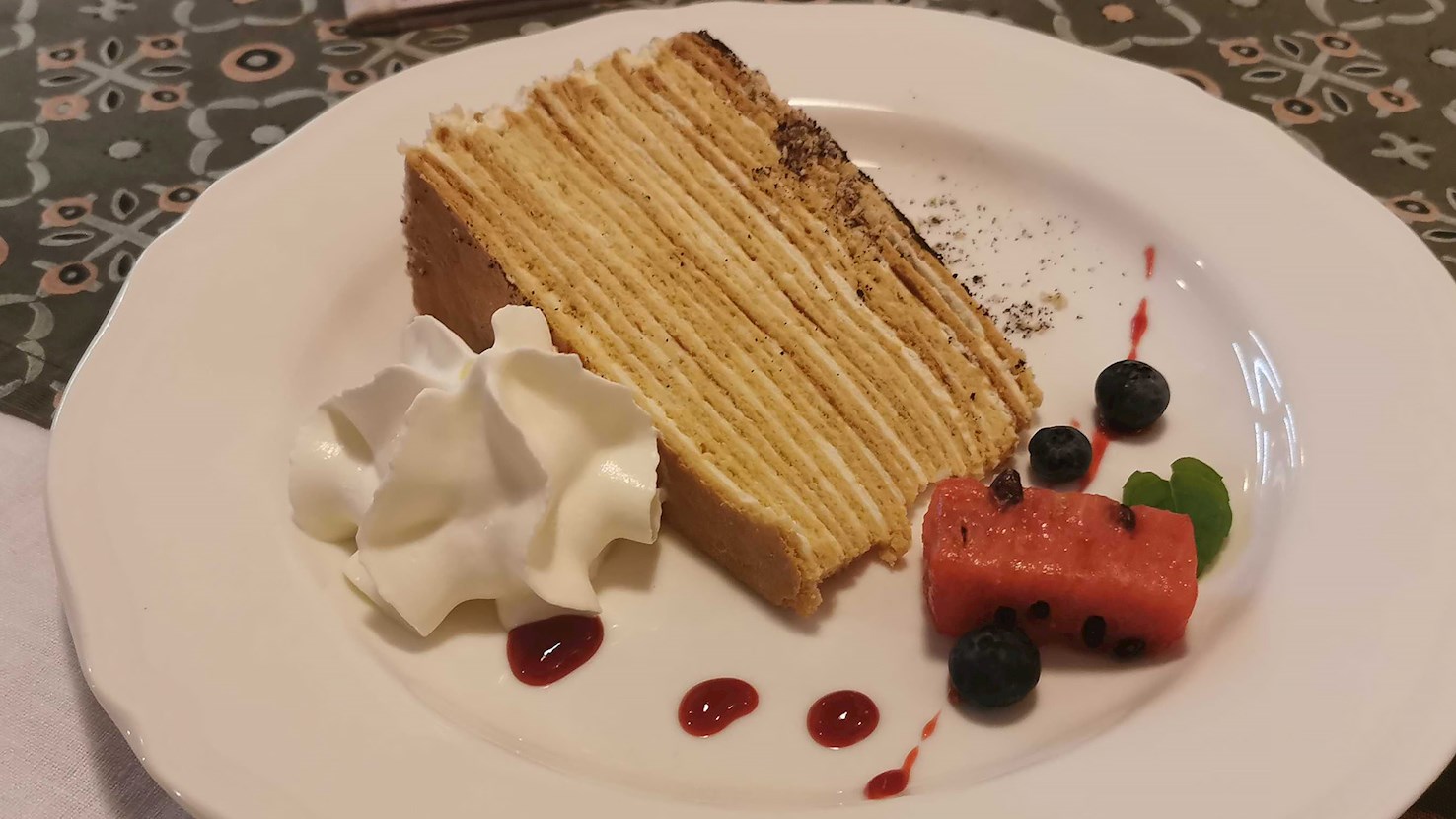
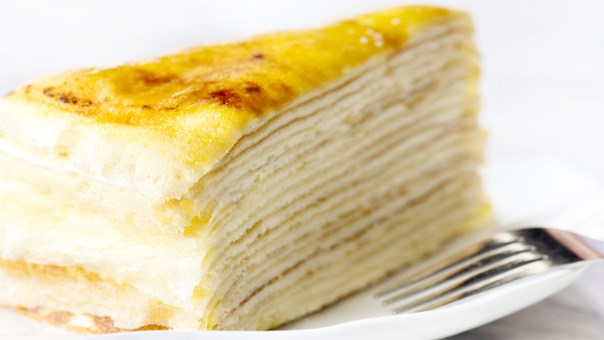
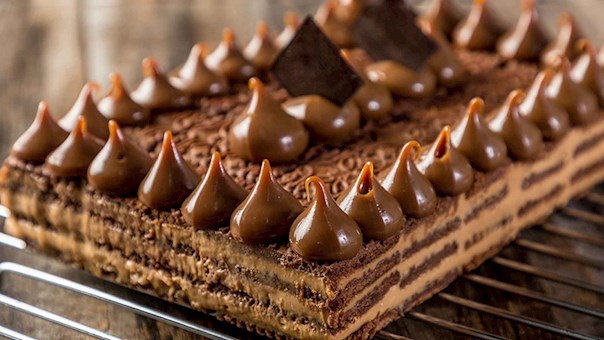
Hailing from Podlaskie region, marcinek is a dessert consisting of layers of dough, usually around twenty thin layers, which are coated with cream and stacked to form a cake-like dessert. Similar to a shortcrust pastry, the dough for the cake is made from a combination of butter, flour, sugar, and eggs, while the coating cream typically incorporates sweetened sour cream, whipping cream and flavorings such as lemon zest, almond extract, or vanilla. The preparation of marcinek is a time-consuming process since each layer is rolled into a circle and baked separately. When the cake is layered and coated, the remaining cream is usually used to cover and decorate the sides and the top of the cake. Optionally, it can be garnished with cookie crumbs, coconut flakes, or cocoa. Marcinek is prepared and enjoyed throughout Podlaskie region and the area of Białowieża Forest, but it is usually associated with the city of Hajnówka. In 2018, the dessert was included on the list of traditional products from the Podlaskie region (listę produktów tradycyjnych). It is assumed that marcinek has a tradition that dates back to the beginning of the 20th century.
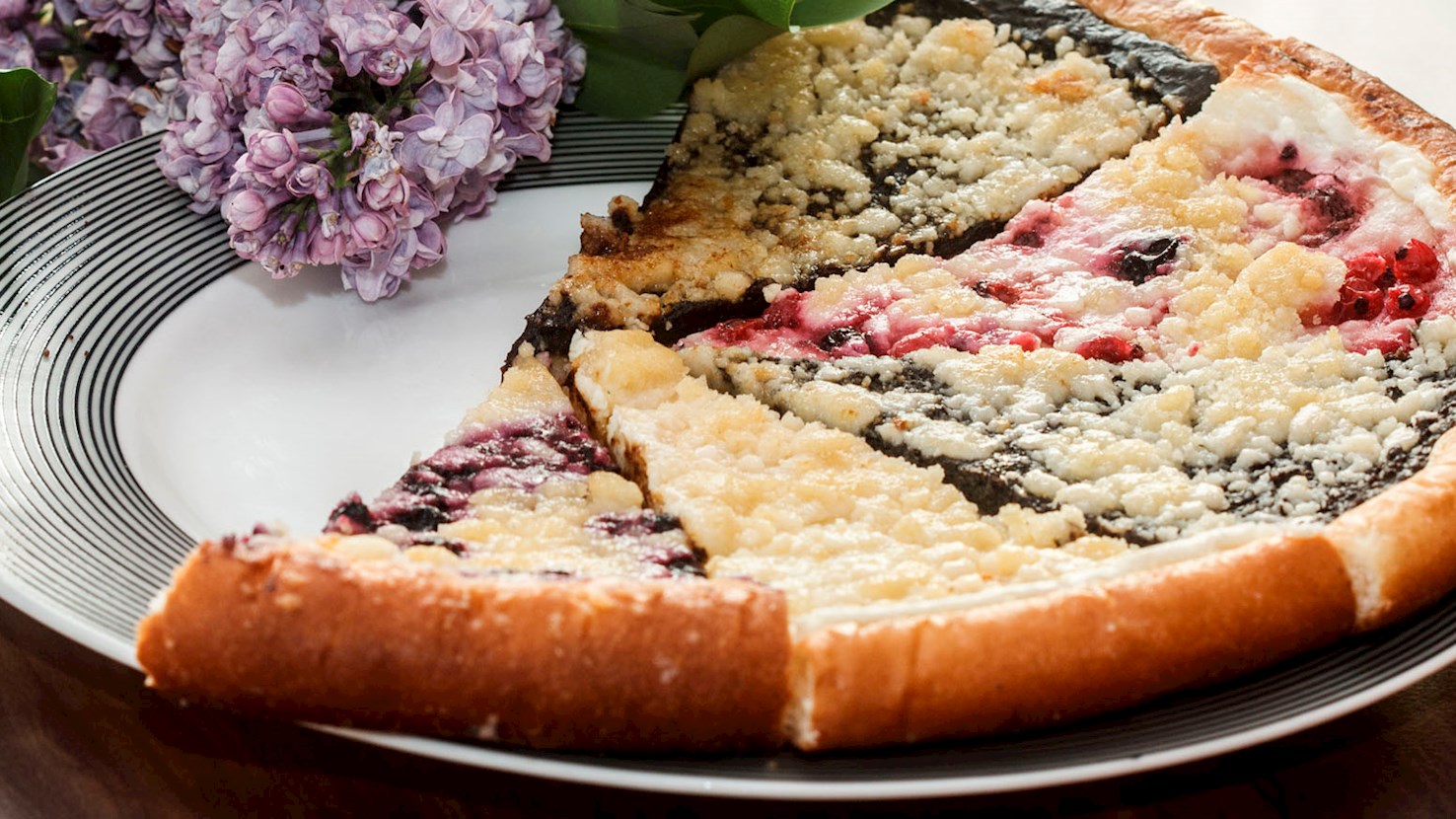
Also known as vdolek, pecák or lopaták, Valašský frgál is a traditionally made, round-shaped sweet cake with toppings, produced in the Moravian Wallachia region in the south-eastern part of the Czech Republic. The cake has a diameter of about 30 centimetres and is golden in color when fully baked. On the surface, there is a crumble that can be additionally sprinkled with sugar, cinnamon, and gingerbread crumbs, or drizzled with butter. Nearly half of the finished product (42-48%) consists of the topping, which can be made from dried pears (the most popular variety), jam, fruits, curd cheese, poppy seeds, walnuts, cabbage, kohlrabi, or carrots. The toppings are never combined. Once the cake is finished, it weighs from 600 to 700 grammes in total and can be sold either fresh or frozen. The recipe for this delicacy dates back to 1826 and is associated with festive occasions such as weddings, Christmas, and Easter.
Sernik is a cheesecake from Poland, stemming from old Christian and Jewish traditions. It is made with eggs, sugar, and twaróg - a type of curd cheese that has been used in desserts for hundreds of years. It is believed that sernik originated in the 17th century, when King Jan III Sobieski brought the recipe with him after his victory against the Turks at the Battle of Vienna. Today, there are many varieties of sernik, some baked, some unbaked, but it is usually made on a layer of crumbly cake. Often times raisins, chocolate sauce, or fruits are also added to sernik, and one of the most popular varieties of the dessert has a sponge cake as its base and is covered with jelly and fruit on top. The krakowski version of sernik has a lattice crust on top to differentiate it from other types of this cheesecake. Sernik can either be prepared at home or found in many Polish stores and supermarkets.
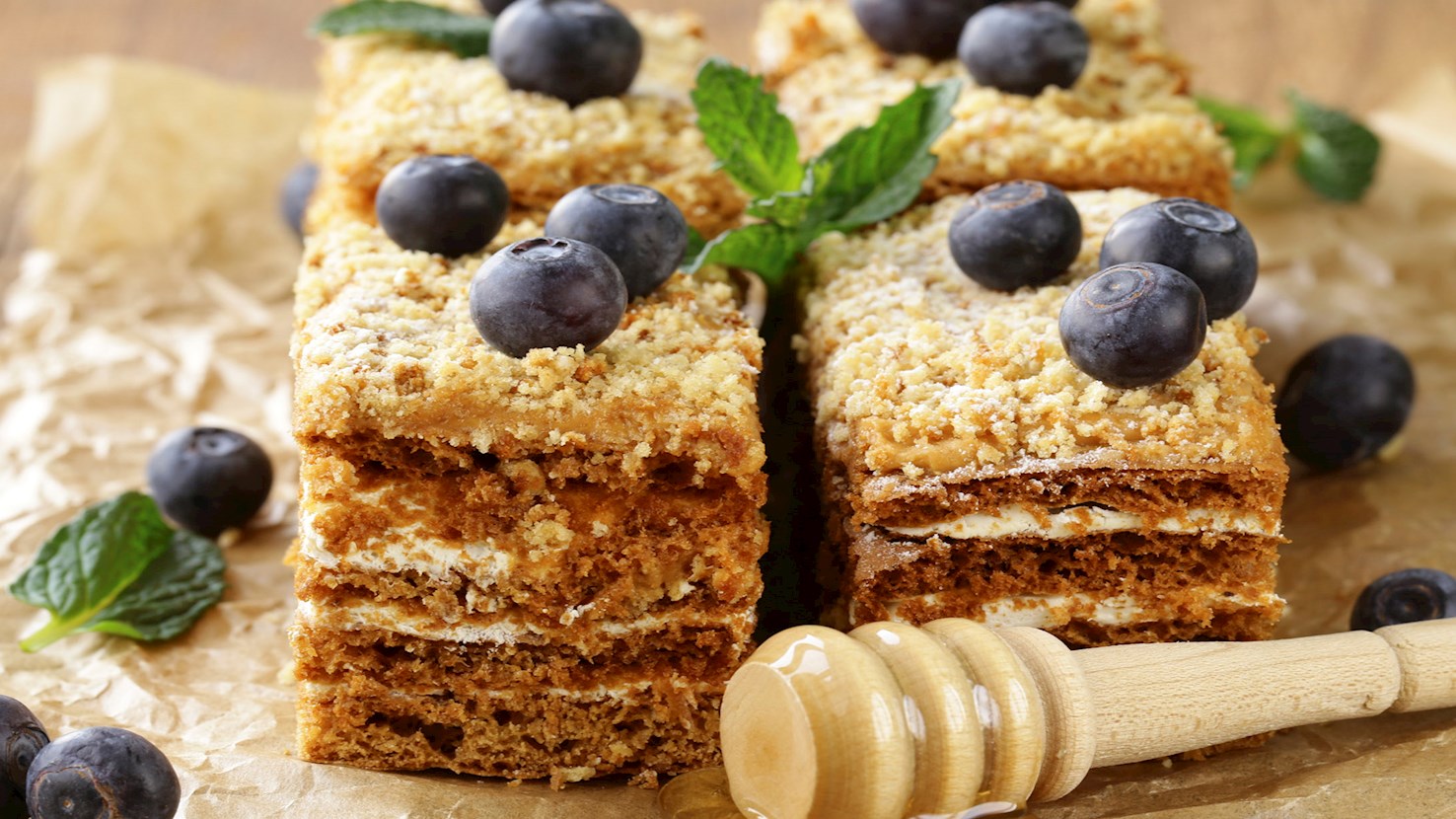
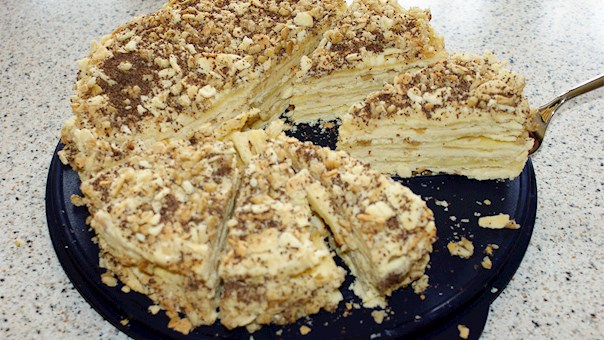
Medovik is a popular Russian layered honey cake consisting of honey-infused, almost biscuit-like sponges that are coated with thin layers of cream. Although there are numerous variations of the cake, the custard is usually prepared with whipped cream or various combinations of condensed milk and butter. It is believed that the cake first appeared in the 1820s and was initially created for the wife of Alexander I of Russia. The addition of condensed milk probably originates from the Soviet era, while modern variations may include berries or even chocolate. Medovik is traditionally decorated with ground walnuts and is commonly served on various special occasions.
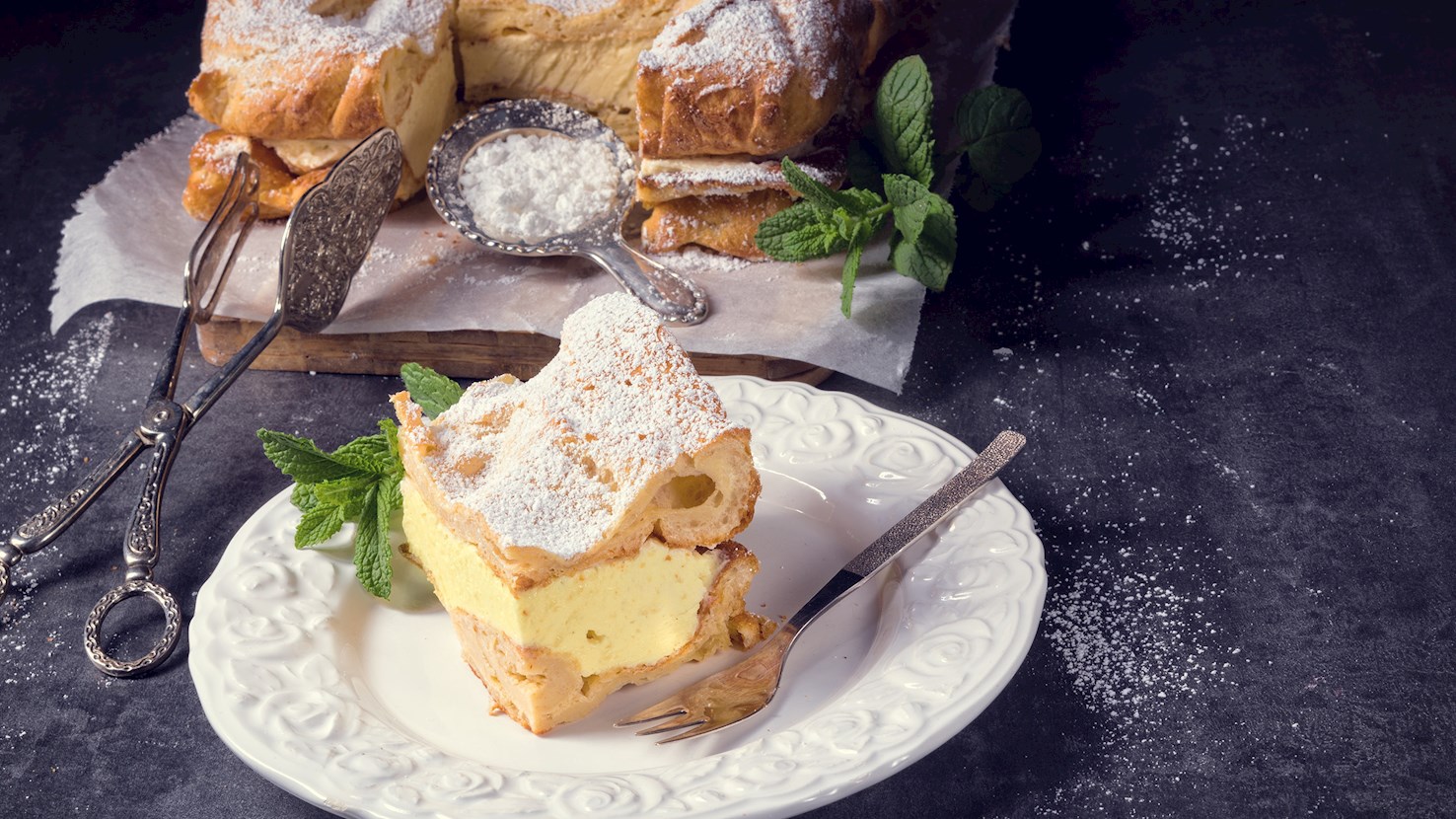
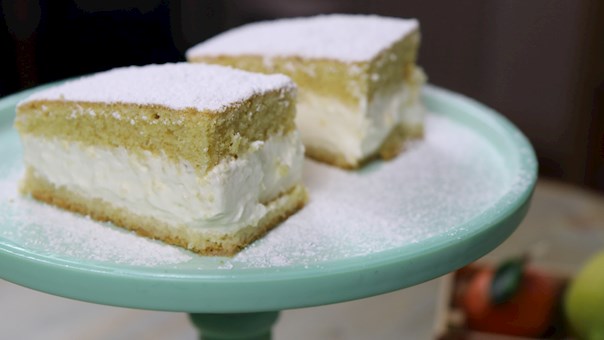
This popular Polish cream cake usually consists of two layers of pâte à choux coupled with a thick layer of creamy, vanilla-flavored pastry cream. Occasionally, the bottom crust is replaced with shortcrust pastry, while the top is always made with pâte à choux. When sprinkled with powdered sugar, the uneven top of the cake resembles the snow-capped Carpathian mountains, hence the name. Though not much is known about its origin, the earliest mention of karpatka dates back to 1972. Considered to be a close relative of the more popular kremówka, the cake is a staple in Polish pastry shops, but it is also a common home-cooked dessert.
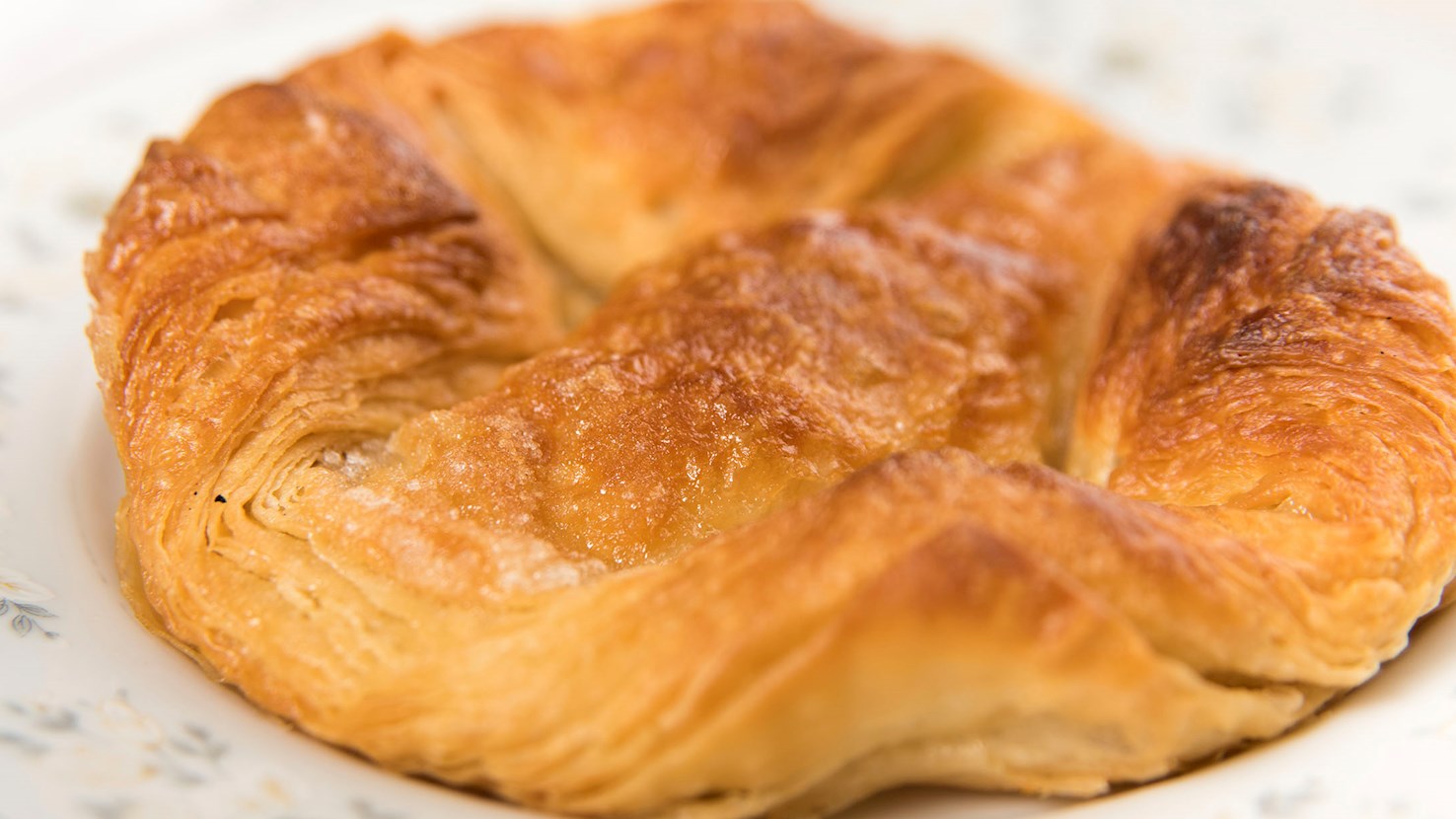
Kouign-amann is a cake that originated in the 1800s in the French region of Bretagne. Its name is derived from the Breton words for cake (kouign) and butter (amann). The cake consists of layers of butter and sugar that are folded into a dough. Bretons claim that the cake is "the fattiest pastry in the world", due to its flaky yellow dough that is mixed with large amounts of sugar and butter. Although there are many theories about the origin of the cake, the most popular one says that it was invented by accident, when a 19th-century baker from Douarnenez wanted to save a failed batch of dough, so he added butter and sugar to the mix, creating the delicacy that we know today.
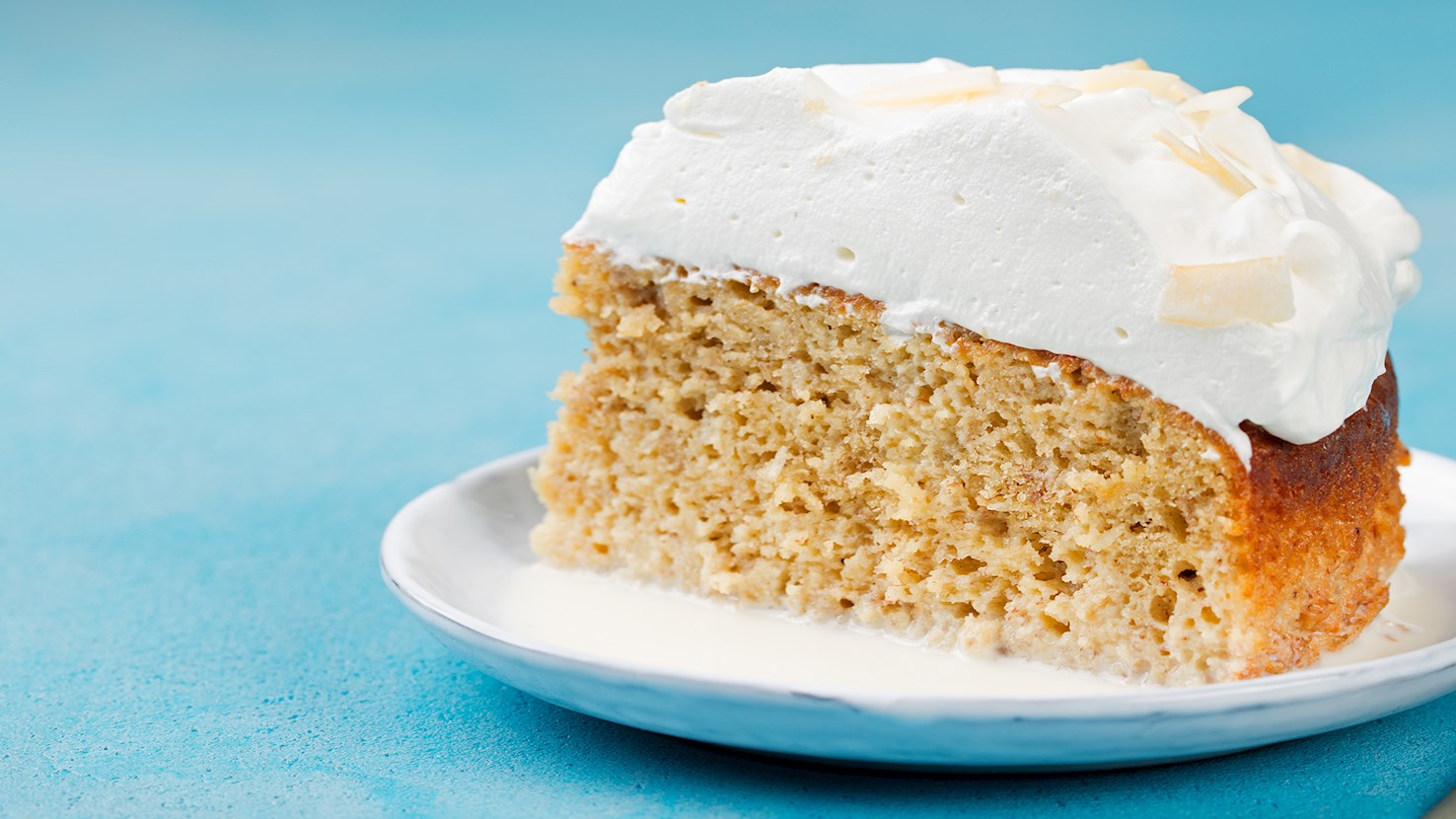
Tres leches cake is a dense, highly saturated sponge cake soaked in a specific mixture of three distinct dairy components consisting of evaporated milk, sweetened condensed milk, and heavy cream or whole milk, which is then topped with whipped cream and distributed widely throughout Latin America, with Mexico, Nicaragua, and coastal regions of the Caribbean basin serving as its primary cultural and commercial hubs. The widespread formulation of this dessert proliferated during the mid-twentieth century following the commercial mass-marketing of shelf-stable canned milk products by transnational food corporations such as Nestlé, who printed structured soaking recipes directly onto the labels of evaporated and condensed milk cans across Central and South America to stimulate consumer demand for manufactured dairy commodities, effectively modifying older European wine-soaked sponge configurations, like British trifles and Italian tiramisu, to suit regional supply chains. Preparation requires baking a light, aerated sponge cake containing a high volume of whipped egg whites and minimal fat, which produces an open, resilient crumb structure that prevents the matrix from collapsing when saturated. Once the cake cools completely, the entire upper surface is punctured repeatedly with a fork or skewer to create vertical fluid pathways, and a thoroughly blended mixture of equal parts evaporated milk, sweetened condensed milk, and heavy cream is poured slowly over the top until the liquid is fully absorbed into the cellular cavities of the baked crumb. Tres leches cake is served chilled directly from the refrigeration unit to stabilize the saturated dairy matrix, sliced into square portions, and standardly garnished with a dusting of ground cinnamon or a single fresh berry to introduce a mild aromatic contrast to the high concentration of sugar. It is eaten globally within pan-Latino restaurants, local bakeries, and domestic households, acting as a centerpiece dessert during birthdays, weddings, Mother's Day celebrations, and quinceañeras across Mexico, Central America, and Latino communities within the United States. For food and beverage pairings, the high sugar concentration and intense dairy fats of the soaked sponge demand bitter, acidic, or highly roasted flavor compounds to strip the palate between bites, meaning it is eaten alongside fresh acidic fruits like mango, passion fruit, or kiwi, and paired with unsweetened hot black coffee, bold espresso, dark roasted chicory teas, or small pours of aged dark rum.
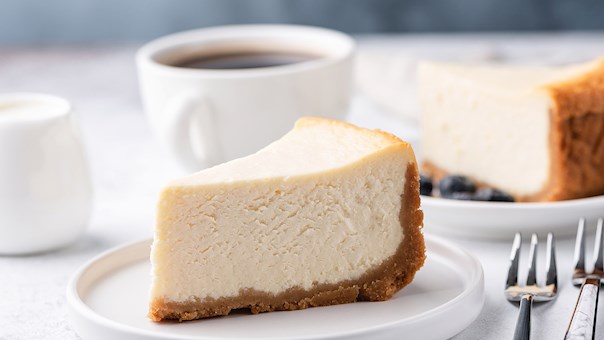
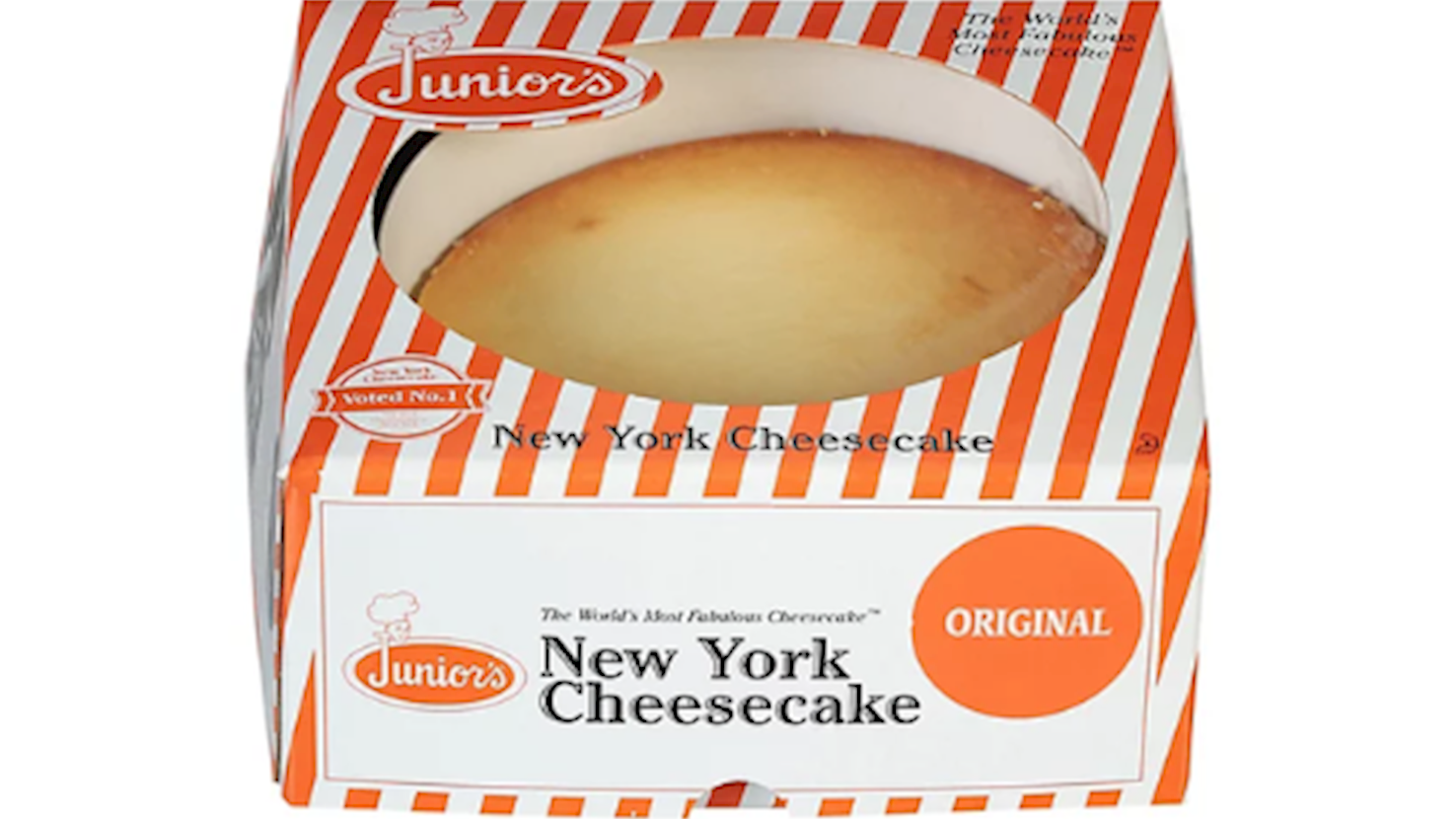
Junior's is one of New York City’s most iconic bakeries and restaurants, best known for its legendary New York-style cheesecake, widely regarded as one of the most famous cheesecakes in the United States. Founded in 1950 by Harry Rosen in Brooklyn, the company grew from a family restaurant tradition that dates back to 1929.
Junior’s was created with the vision of combining a classic American restaurant experience with exceptional baked desserts, but it was its cheesecake that ultimately became the brand’s defining product. The original recipe was developed in collaboration with master baker Eigel Peterson and is distinguished by its unique sponge cake crust rather than the traditional graham cracker base commonly used in American cheesecakes.
Over the decades, Junior’s has become a culinary landmark of New York, attracting both local customers and visitors from around the world. The bakery is celebrated for its rich, creamy texture, premium ingredients, and commitment to traditional baking methods.
While the company offers numerous cheesecake variations featuring fruit, chocolate, caramel, and other flavors, the Original New York Cheesecake remains its most recognized product. Junior’s has expanded beyond its flagship Brooklyn location with additional restaurants and bakeries while also shipping its cheesecakes nationwide.
Today, the brand is considered a symbol of authentic New York dessert culture and one of the most influential names in American cheesecake making.
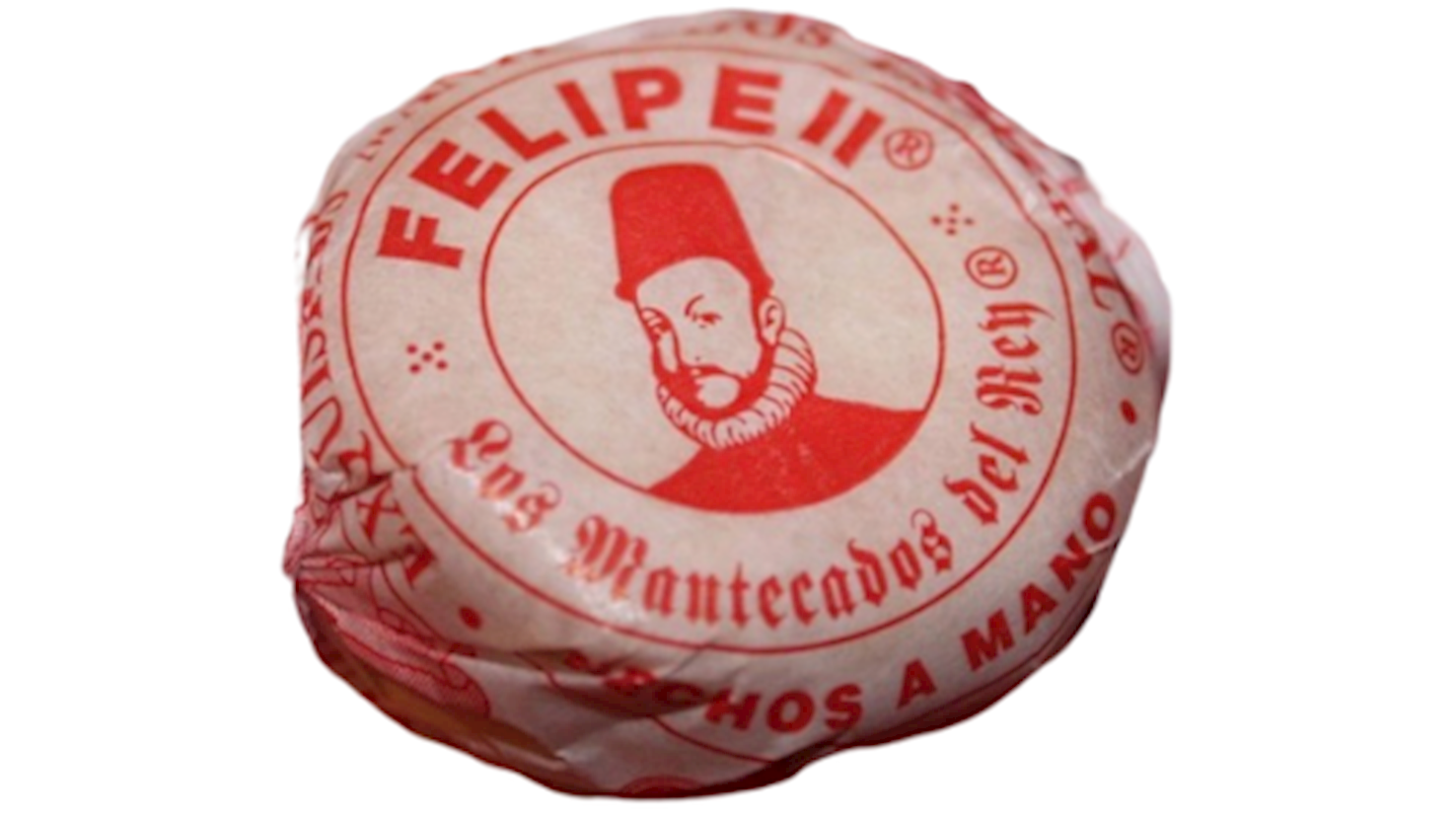
Mantecados Felipe II is one of the most recognizable brands of traditional Spanish mantecados, with an identity deeply rooted in history and artisanal production. Its origin is linked to the 16th century and a story associated with Philip II of Spain, after whom the brand is named, reinforcing its historical and cultural significance.
Today, production is managed by Confitería Blancanieves Tejedor, based in Vitoria-Gasteiz, which continues to preserve the original recipe and handcrafted approach. The brand is often regarded as one of the oldest references in the mantecado category in Spain, positioning it as a benchmark product.
The recipe relies on a limited number of high-quality ingredients, including wheat flour, powdered sugar, pork lard, and Marcona almonds, resulting in a distinctive crumbly texture and pronounced almond character. Production remains largely artisanal, maintaining the traditional format of individually wrapped small cakes, a presentation that has been preserved for over a century.
Rather than focusing on innovation, the brand’s value lies in continuity, combining historical heritage, established ingredients, and traditional craftsmanship. Mantecados Felipe II stands as a reference within Spanish seasonal confectionery, particularly associated with festive periods, while maintaining relevance through its clear connection to origin and long-standing production practices.
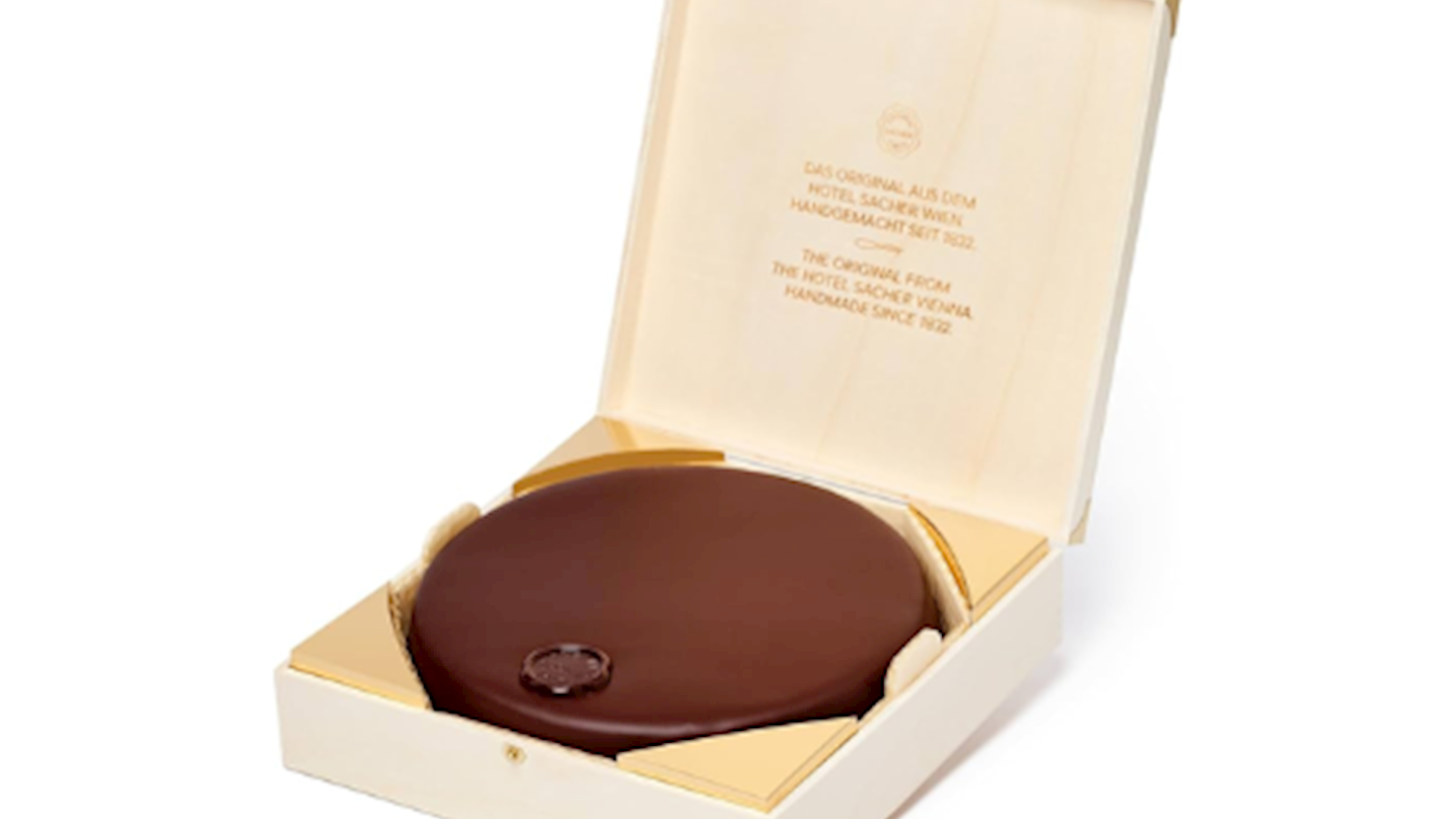
Sacher is one of Austria’s most iconic hospitality and confectionery brands, internationally synonymous with the Original Sacher-Torte and Vienna’s grand café culture. Its story began in 1832, when Franz Sacher created the now-famous chocolate cake for Prince Metternich’s court, establishing the foundation of a culinary legacy that would become a symbol of Austrian gastronomy.
The Sacher name was further elevated in 1876 when Franz’s son, Eduard Sacher, opened the Hotel Sacher in Vienna, transforming the family name into a hallmark of luxury hospitality. Today, Sacher represents a blend of historic elegance, premium hospitality, and refined confectionery craftsmanship, operating the legendary Hotel Sacher Wien, Hotel Sacher Salzburg, cafés, and an internationally recognized gourmet retail business centered around the Original Sacher-Torte.
The brand remains closely associated with Viennese sophistication, imperial heritage, and classic Austrian dessert culture. The Original Sacher-Torte continues to be handmade according to the historic recipe and remains one of Austria’s most famous culinary exports.
Beyond the iconic cake, Sacher also offers chocolates, pralines, jams, pastries, and curated gourmet specialties that reflect the same premium positioning. More than a hotel or confectionery name, Sacher has become a cultural institution representing Austrian luxury, tradition, and gastronomic identity.
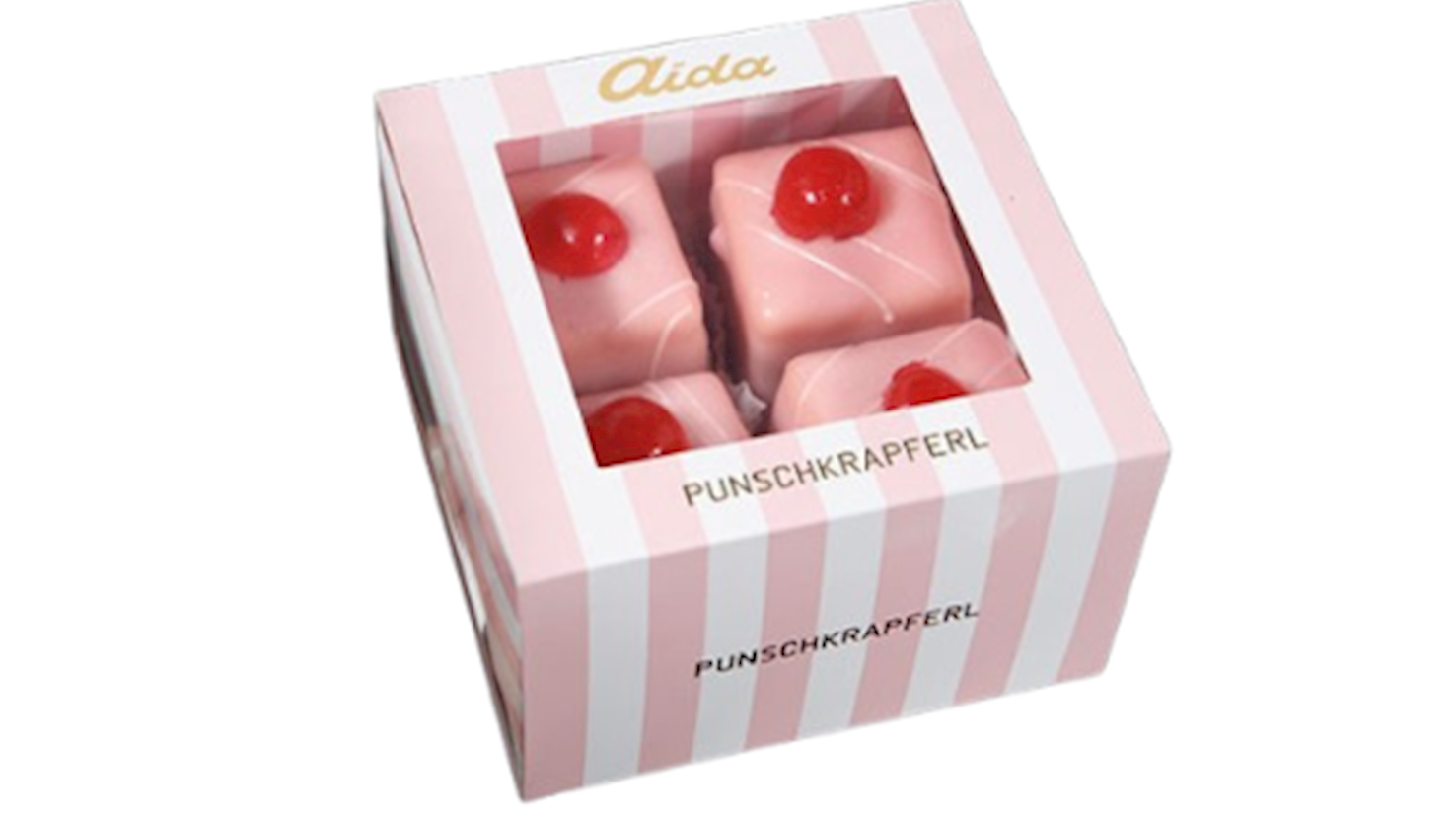
Aïda Café-Konditorei is one of Vienna’s most recognizable confectionery café chains, with a history dating back to 1913, when Josef Prousek and his wife Rosa took over the confectionery shop “Bonsaing & Söhne” in Vienna. The Aïda brand developed more distinctly from 1921, when production began in Porzellangasse and the business became “Chocolaterie & Grosskonditorei Aïda.” During the 1930s, the company expanded across Vienna, reaching 11 locations in the city by 1939.
A significant milestone came in 1946, when the first espresso machine in Austria was introduced at Aïda’s Wollzeile location, helping establish its identity as a true café-confectionery. Today, Aïda is known for its distinctive pink visual identity, cakes, pastries, strudels, cream slices, doughnuts, ice cream, and coffee.
Since 1974, production has been based in Schönthalergasse in Vienna’s 21st district, where traditional Viennese confectionery products are prepared daily. Unlike historic luxury establishments such as Demel or Sacher, Aïda represents a more accessible, everyday model of Viennese café-confectionery culture, deeply integrated into the city’s urban rhythm.
The brand remains family-run by the Prousek family across multiple generations, preserving continuity in Viennese confectionery tradition.
TasteAtlas food rankings are based on the ratings of the TasteAtlas audience, with a series of mechanisms that recognize real users and that ignore bot,
nationalist or local patriotic ratings, and give additional value to the ratings of users that the system recognizes as knowledgeable.
For the “Top 100 Cakes in the World” list until September 15, 2026, 22,680 ratings were recorded, of which 16,832 were recognized by the system as legitimate.
TasteAtlas Rankings should not be seen as the final global conclusion about food. Their purpose is to promote excellent local foods,
instill pride in traditional dishes, and arouse curiosity about dishes you haven’t tried.
The initial list of top producers was compiled based on available reviews, awards, local recommendations, media and blog coverage, and consumer reviews.
The list will be updated with ratings from TasteAtlas local ambassadors and TasteAtlas users.










What People Say